
Does Creatine Cause Hair Fall? Truth, Myths & Scientific Facts
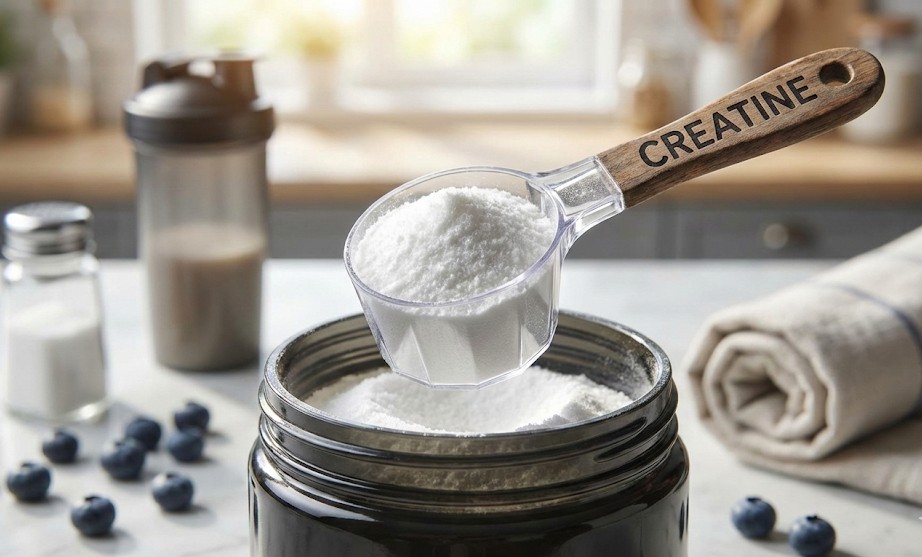
Creatine is among the best-selling fitness supplements among the sports players, gym newcomers, and other sports players worldwide. Most individuals use creatine in order to gain strength, enhance the performance of exercises, and gain muscle at a quicker rate. But simultaneously, a lot of the beginners are in confusion and they pose questions such as: What is creatine? Is it safe for health? Will it cause side effects?creatine before or after workout?
Creatine is a natural product which is already present in our body. It is as well found in foodstuff such as red meat and fish. Our muscles require energy when we exercise. Creatine assists the muscles to generate the energy fast particularly when the muscles are engaged in heavy exercise such as weight lifting, sprinting, or strenuous sports. This makes you feel stronger and enables you perform better.
Creatine is one of the best things because it is researched and in common use. Before creatine harms, one needs to take it in the correct quantity and abundant amounts of water. It is an additive just like any other, however, it needs to be applied properly and with appropriate knowledge.
In the following paper, we will discuss creatine in its simplest terms; its advantages, the mechanisms of action, the mode of administration, and the myths so that you can have this topic straight and make a proper choice regarding your fitness path.
What is creatine ?
Creatine powder is a dietary supplement that helps body to produce instant energy during physical activity. Creatine is not an artificial chemical. It is natural substance that already found inside your body mostly in muscles.
Your body purposes creatine when you do short and hard workouts like:
- Weight lifting
- Sprinting
- Jumping
- High-intensity exercise
Creatine powder is the concentrated form of creatine that we mix in water, shakes and drink easily.
How Creatine Is Made ?
Creatine is a natural product that is present in a human organism. In our body, three amino acids are used to make creatine:
- Arginine
- Glycine
- Methionine
Small quantities of creatine can also be found in such foods as red meat and fish.
Creatine Commercial Production
In case of supplements, creatine is produced in laboratories with high safety regulations.
Steps include:
- Controlled conditions involve the building up of amino acids.
- Creatine has been produced by a harmless chemical reaction.
- This is made pure to eliminate impurities.
- It is dried into powder form
- Lab Authorized
Creatine Monohydrate is the most widely used and reliable one.
Is working laboratory made creatine secure?
Yes. Good quality creatine is:
- Pure
- Well-researched
- Scientifically tested
- Approved for human use
The creatine in supplements is the same that is available in your body.
Creatine Benefits
Creatine is among the most studied supplements in the globe. When it is used in the right way, there are numerous advantages.
Creatine Uses:
1. Increases Muscle Strength
The use of creatine assists muscles in the generation of fast energy (ATP). This allows you to:
- Lift heavier weights
- Perform more reps
- Improve overall strength
This is the reason why creatine is gaining popularity among sports and gym novices.
2. Enhances Exercise Productivity.
Activities of short duration like high intensity such as: are much more effective with creatine.
- Weight lifting
- Sprinting
- Jumping
- Sports
It provides muscles with additional strength as they go through hard exercises.
3. Helps Build Muscle Faster
Creatine draws water into the muscles. This:
- Makes muscles look fuller
- Supports muscle growth
- Improves muscle recovery
This in the long-run results in actual muscle increase with training.
4. Speeds Up Muscle Recovery
Muscles get fatigued and sore after exercising. Creatine helps:
- Repair muscle fibers
- Reduce muscle damage
- Improve recovery time
It is an opportunity to train more efficiently the following day.
5. Supports Brain Energy
Creatine will beneficially help the brain as it creates fast energy. Studies show it may:
- Improve focus
- Reduce mental fatigue
- Support brain function
This is convenient to students and those with tight timetables.
6. Safe on the Long-Term Use .
Creatine has been a subject of long time studies. When taken in the prescribed doses, research shows that it is safe when used by healthy people.
Side Effects of Creatine
Creatine is safe for most people but wrong usage can cause ight side effects.
Common Side Effects (Usually Mild)
1. Water Retention
Creatine pulls water into muscles. This may cause:
- Slight weight gain
- Feeling of fullness in muscles
This don’t make fat gain.
2. Stomach Discomfort
Some people experience:
- Bloating
- Upset stomach
This usually happens when:
- Too much creatine is taken at once
- Not enough water is consumed
3. Dehydration (If Water Intake Is Low)
After creatine body needs water to work properly. Low water intake may cause:
- Muscle cramps
- Headaches
Drinking enough water solves this issue.
Does Creatine Damage Kidneys?
For healthy people, creatine does NOT damage kidneys.
People who already have kidney disease and misuse supplements Problems may only arise in them
Who Should Be Careful?
- People with kidney problems
- People with liver disease
- People on medical treatment
These people must consult a doctor before starting it.
Creatine Myths
Creatine has many myths because of misinformation. Let’s clear them up.
Myth 1: Creatine Is a Steroid
❌ False
Creatine is not a steroid.
It is a natural Mixture found in food and in the human body.
Myth 2: Creatine Causes Hair Loss
❌ No strong proof
There is no direct scientific evidence that creatine causes hair loss in healthy people.
Myth 3: No one can take creatine except bodybuilders
❌ False
Creatine is used by:
- Athletes
- Sports players
- Runners
- Gym beginners
It helps anyone doing intense physical activity.
Myth 4: Creatine Damages Kidneys
❌ False for healthy users
Studies show creatine does not harm kidneys to healthy person when used correctly.
Myth 5: Creatine Causes Fat Gain
❌ False
Creatine increase body weight due to water absorption not fat.
Myth 6: You Must Load Creatine
❌ Not necessary
Loading (20g/day) is optional.
You can normally take 3–5g daily without loading.
Myth 7: Creatine Is not good for Teenagers
❌ Not completely true
Teenagers who:
- Eat properly
- Train under guidance
- Avoid overdosing
can use creatine carefully. important to take advice from expert
How Creatine Works in the Body ?
Creatine helps body like a energy booster for muscles. When our body lift weights, run fast, and do heavy activity, then our muscles use a quick energy called ATP (Adenosine Triphosphate). But ATP runs out very quick within a few seconds.
This is where creatine helps.
Our muscles hold creatine as phosphocreatine, which works like energy reserve. When our ATP level decreases, phosphocreatine suddenly adds a phosphate to ADP and turns it into again ATP. This means:
- Your muscles get more energy
- You can lift heavier weights
- You can do more reps
- Your strength improves over time
Creatine also pulls water inside the muscle cells. It helps our muscles to look loaded and supports a healthy lifestyle for better growth. it has more water inside the cell, Muscle repair process increases, which helps you build muscle faster.
Another important point is that creatine reduces muscle fatigue. It make less muscles get tired, so that we can train longer and harder.
In short, creatine it helps body to give instant energy, improving strength, supporting muscle growth, and enhancing workout performance naturally and safely.
How to Take Creatine Properly ?
Taking creatine the right way is very important for best results and to avoid stomach discomfort. It is the simple and safest way to use creatine:
1. Daily Dosage
The recommended daily creatine dosage is:
3–5 grams per day (for all adults).
This is enough for muscle saturation and for long term benefits.
2. Loading Phase
Some people do loading phase to fill muscles faster.
If you want quicker results:
- Take 20g per day for 5–7 days
- Split into 4 servings of 5g each
- Then continue with 3–5g per day
This is optional.
You will still get full results with just 3–5g daily.
3. When to Take Creatine?
Creatine can be taken anytime, but the best options are:
- After workout (best absorption)
- During a meal , insulin helps to absorption.
If you don’t workout daily, then you must take it once a day .timing doesn’t matter.
4. Mix It With Water
Creatine monohydrate dissolves best in warm water.
You can also mix it with:
- Juice
- Protein shake
- Electrolyte drink
Avoid to mix creatine with hot tea or coffee.
5. Drink Enough Water
Creatine pulls water into the muscles.
at least you should drink 3–4 liters of water daily.
6. Consistency Matters
Creatine is not a “pre-workout.”
It doesn’t give instant energy.
It works when taken daily for weeks.
7. Do Not Take Too Much
More creatine does not mean more results.
Avoid taking above 10g per day, unless Recommended by a coach
Dosage of Creatine
The dosage of creatine is very easy to understand. There are two ways to take it:
1. Regular Daily Dose (Best Method)
- Take 3–5 grams per day
- Anytime of the day
- Works for everyone
- No loading needed
It is safest and mostly recommended method.
2. Loading Phase (Optional)
If you want faster results:
- Take 20 grams per day for 5–7 days
- Split into 4 doses of 5g each
- After that, continue with 3–5g daily
This helps fill the muscles with creatine faster, but it is not necessary.
Important Tips:
- Drink plenty of water (3–4 liters daily)
- Take creatine continuously every day
- Avoid to take more than 10g per day unless advised
Does Creatine Really Work ?
Yes, creatine really works—and it is one of the most researched supplements in the world. Scientists, athletes, and doctors Accept that creatine is effective for:
- Increasing strength
- Boosting energy
- Improving workout performance
- Supporting muscle growth
- Enhancing recovery
- Helping high-intensity sports
Creatine helps to increase ATP, the fastest way to fuel muscles . This also helps you to lift harder during workouts, to do more reps, and build muscle faster .
It also has long term benefits, not just short term. Thousands of studies told that creatine is safe, effective, and helpful for most healthy people.
How to Check Creatine?
If you want to check that your creatine supplement is of good quality then ,follow these steps:
1. Check Ingredients
A good creatine product should have only one ingredient:
- Creatine Monohydrate
Avoid products which is with stuffing, sugar, extra flavors.
2. Look for Creapure® Logo
Creapure is the purest form of creatine monohydrate, made in Germany.
If the pack is with the Creapure logo, then it’s top quality.
3. Check Solubility
Good creatine dissolves easily in warm water.
Purity may be low , If you see small like particles in it .
4. Check Certification
Look for:
- ISO
- GMP
- NSF
- Informed Choice
These ensure quality and safety.
5. Check Color & Smell
Pure creatine:
- Has no smell
- Is white in color
- Has no taste
If smell and color seems unusual, then don’t use it.
Types of Creatine
What is Creatine Monohydrate ?
Creatine monohydrate is the most common and most researched form of creatine.
Benefits:
- Best for strength
- Best for performance
- Safest form
- Cheapest
- Used in 90% of studies
- It is the gold standard creatine.
What is HCL Creatine?
Creatine HCL (Hydrochloride) is creatine attached to hydrochloride molecules.
Benefits:
- Absorbs faster
- No bloating
- Smaller dose required (1–2g)
- Good for sensitive stomach
It is expensive but also easier to digest.
What is Buffered Creatine?
Buffered creatine is creatine monohydrate + alkaline substances like sodium carbonate.
It is claimed to:
- Reduce stomach issues
- Absorb better
- Reduce bloating
But studies show it is not better than creatine monohydrate.
It works, but doesn’t give major advantages.
How to Calculate Creatine Intake ?
Calculating creatine intake is very simple. Most people only need 3–5 grams of creatine per day, no matter their weight. Here is exact formula, which are the simplest methods:
1. Common Method (for Everyone)
Take 3–5 grams
- daily Works for men
- Works for women
- Works for beginners & athletes
- Easy to follow
This is safest and most common way to calculate creatine .
2. Weight-Based Method
here is the a more personalized calculation, use this formula:
0.03 grams of creatine × your body weight (kg)
Example:
For a person weighing 70 kg
0.03 × 70 = 2.1 grams per day
This tells that 3 grams is enough for most people.
3. Loading Phase Calculation
If you choose the loading method:
- 20 grams per day
- Split into 4 servings of 5g
- Continue for 5–7 days
After that, take 3–5g daily (maintenance dose).
Which Method Should You Choose?
Beginners → 3–5g daily
Athletes → 3–5g daily
People who want faster result→ loading phase
Creatine does not need to be calculated with extreme precision.
Best Sources of Creatine
Creatine naturally exists in some foods, especially animal-based foods. Here are the best natural sources:
- Red meat (beef, lamb)
- Fish (salmon, tuna, cod)
- Chicken Pork
- Turkey Eggs (small amount)
- Milk (very small amount)
But here’s the truth: To take same amount of creatine as 1 scoop of creatine , you need to eat:
- 1 kg of beef, or
- 1.5 kg of chicken, or
- 2 kg of fish
Creatine Recipe
Creatine don’t have flavor, but we can add it in foods and drinks.
It is simple and healthy creatine recipe:
Creatine Energy Yogurt Bowl
Ingredients:
- 1 bowl Greek yogurt
- 1 banana
- 5–7 almonds
- 1 teaspoon honey
- 3–5 grams creatine monohydrate
- 1 tablespoon oats (optional)
How to make:
- Add yogurt to a bowl.
- Mix in your creatine powder until it Mixes.
- Slice banana and add on top.
- Add almonds, honey, and oats.
- Mix and enjoy!
Benefits:
- Easy to digest
- Gives energy
- Great post workout snack
- High in protein + creatine in 1 meal
Creatine Shake Recipe
This is one of the easiest and most popular ways to take creatine.
Chocolate Creatine Workout Shake
Ingredients:
- 1 scoop whey protein
- 1 cup milk or water
- 3–5 grams creatine
- 1 banana (optional for extra energy)
- 1 teaspoon peanut butter (optional)
How to make:
- Add milk or water to a shaker.
- Add whey protein.
- Add creatine.
- Add peanut butter or banana (choice)
- Shake until smooth.
- Drink immediately.
Why this works well:
- Whey + creatine increases muscle growth
- Very fast digestion
- Perfect post-workout meal
- Tastes great
Creatine Foods
It is the list of foods highest in natural creatine:
| Food | Creatine Content (approx.) |
|---|---|
|
Beef |
2–5g per kg |
|
Salmon |
4.5g per kg |
|
Tuna |
4g per kg |
|
Cod |
3g per kg |
|
Pork |
5g per kg |
|
Chicken |
3.4g per kg |
|
Milk |
Very low |
|
Eggs |
Very low |
Who should take creatine ?
One of the most beneficial and safe supplements to most individuals is creatine. Not only bodybuilders can use creatine with various purposes.
1. Gym Beginners
Decrease gym beginners will increase their lifting performance, increase strength faster, and experience progress more rapidly with the help of creatine.
2. Athletes & Sports Players
Football, cricket, basketball, sprinting, swimming- any type of sport which requires power and speed can be helped by creatine.
3. Personalities Intending Muscle Proliferation.
Creatine increases the ability of the muscles to retain water, recuperate within a shorter period and increase in size with time.
4. Individuals That desire more power.
In case you intend to train on heavier weights or better your PR ( personal record ), creatine is very useful.
5. Vegetarians & Vegans
Foods with a vegetarian nature have minimal creatine.
That is why creatine supplements are huge gains to vegetarians.
6. Workers or Energetic Students Who Would Like to be more focused.
Creatine has been studied to have an effect of enhancing memory and brain energy.
7. Older Adults
Creatine could assist older individuals to be stronger and energetic.
When taken in moderation, creatine is safe by most healthy individuals.
Who Should NOT Take Creatine ?
Creatine is not dangerous and it should not be used by everyone, only some should prior consult with a physician.
1. People With Kidney Problems
Creatine should be avoided in case of kidney disease or lesser kidney functioning unless otherwise recommended by your doctor.
2. Individuals that have severe liver issues.
Creatine could impose additional burden to the liver.
3. Individuals- Who Do Not Consume Adequate Water.
Creatine draws water into the muscles. Cramps or discomfort can be brought about by dehydration.
4. Children Below 16 (except when approved by the doctor)
Creatine is not generally the recommendation of young children.
5. Pregnant Women or Breast feeding women.
Not enough studies exist. So it’s safer to avoid it.
6. Individuals Undergoing Selective Pharmacies.
For example:
- Kidney medicines
- Blood pressure medicines
- Diuretics
The first question should be asked by such people to a doctor.
Provided that you are healthy, creatine is usually quite harmless.
What Does Creatine Do for Women ?
People believe that creatine is a preserve of men, a myth that is wrong. Creatine is safe and works readily with women. Creatine can assist women in the following way:
1. Increases Strength
The more powerful females who take creatine whenever exercising feel stronger during exercises, such as squats, lunges, and weight training.
2. Helps Build Lean Muscle
Creatine facilitates the development of the muscles without rendering the body to appear massive.
It is just to make women appear fit.
3. Boosts Energy Levels
Creatine elevates ATP energy and makes women feel energized during the exercises and everyday life.
4. Assistance During a Guy-rate workout.
Activities like:
- HIIT
- CrossFit
- Running
- Strength training
with creatine all become easier.
5. Supports Brain Health
Creatine can assist in enhancing memory and attention as well as intellectual sharpness in women.
6. Helps Reduce Fatigue
Women tend to be energetically low because of work, studies or hormonal changes.
Creatine is used to combat fatigue.
7. Safe for Women
Creatine does not:
- cause increase in weight (bit of water in muscles only)
- affect hormones
- has an impact on female health.
It merely increases vitality and enhances productivity.
1. Creatine vs Whey Protein
| Feature | Creatine | Whey Protein |
|---|---|---|
|
Purpose |
Strength & power |
Muscle recovery & growth |
|
Type |
Performance supplement |
Protein supplement |
|
Digestion |
Very fast |
Moderate–fast |
|
Best For |
Strength, PRs, muscle energy |
Meeting daily protein needs |
|
Usage Time |
Anytime |
Post-workout or with meals |
|
Result Speed |
Slow & steady |
Quick recovery boost |
2. Creatine Monohydrate vs Micronized Creatine
| Feature | Monohydrate | Micronized |
|---|---|---|
|
Particle Size |
Normal |
Smaller particles |
|
Mixing |
Good |
Excellent |
|
Digestion |
Moderate |
Easy, smoother |
|
Price |
Cheapest |
Slightly expensive |
|
Research |
Most studied |
Same results, better mixing |
3. Creatine vs Pre-Workout
| Feature | Creatine | Pre-Workout |
|---|---|---|
|
Purpose |
Strength & muscle energy |
Instant energy & pump |
|
Timing |
Daily |
Before workout |
|
Stimulants |
No caffeine |
Usually contains caffeine |
|
Result Time |
Long-term |
Same day boost |
|
Best For |
Strength athletes |
People who want quick energy |
4. Monohydrate vs Creatine HCL
| Feature | Creatine Monohydrate | Creatine HCL |
|---|---|---|
|
Absorption |
Good |
Very high |
|
Dose |
3–5g daily |
1–2g daily |
|
Stomach Comfort |
May cause bloating |
Very easy on stomach |
|
Price |
Cheap |
Expensive |
|
Research |
Most proven |
Less research but effective |
5. Creatine vs BCAA
| Feature | Creatine | BCAA |
|---|---|---|
|
Purpose |
Strength & power |
Recovery & reduced muscle breakdown |
|
Calories |
Zero |
Zero |
|
Best Use |
Strength training |
Fasted workouts |
|
Muscle Growth |
Strong effect |
Very weak effect |
|
Value for Money |
High |
Low |
6. Creatine Powder vs Capsules
| Feature | Powder | Capsules |
|---|---|---|
|
Cost |
Cheap |
Expensive |
|
Convenience |
Needs mixing |
Very convenient |
|
Absorption |
Same |
Same |
|
Best For |
Home use |
Travel or busy schedules |
|
Dosage Control |
Easy |
Fixed capsule size |
7. Creatine vs Mass Gainer
| Feature | Creatine | Mass Gainer |
|---|---|---|
|
Purpose |
Strength & performance |
Weight gain (calories) |
|
Calories |
0 calories |
Very high calories |
|
Best For |
Strength athletes |
Hard gainers |
|
Mixing |
Easy |
Often thick |
|
Ideal Goal |
Strength & muscle |
Increase body weight |
8. Creatine vs Glutamine
| Feature | Creatine | Glutamine |
|---|---|---|
|
Purpose |
Strength & muscle energy |
Gut health & immunity |
|
Muscle Growth |
Strong |
Very low |
|
Best Use |
Gym & training |
Digestion, recovery |
|
Timing |
Anytime |
Anytime |
|
Ideal For |
Strength goals |
People with gut issues |
9. Creatine vs L-Carnitine
| Feature | Creatine | L-Carnitine |
|---|---|---|
|
Purpose |
Power & strength |
Fat burning & metabolism |
|
Best For |
Muscle gain |
Fat loss |
|
Energy Type |
ATP energy |
Uses fat for fuel |
|
Ideal Users |
Lifters, athletes |
People cutting fat |
|
Timing |
Anytime |
Morning or pre-workout |
FAQs
Is Creatine Safe ?
Yes, creatine is not harmful to the majority of the healthy population. It is among the heavily studied supplements globally. Creatine does not harm a person when consumed in the proper amount (3-5 grams per day) and when this amount is accompanied by adequate water. A significant number of studies indicate that it can be safely used in healthy people on a long-term basis.
How Much Creatine Per Day?
Creatine has a recommended daily dose of 3-5 grams a day.
This will be sufficient to stockpile your body muscles with creatine and achieve good results. There are no benefits of taking above this.
Should I Take Creatine Every Day?
Yes, the creatine is expected to be taken on a daily basis, including rest days.
Creatine has the effect of slowly accumulating in your muscles. Its effectiveness can be minimized by skipping days. It is important that it is constant rather than time based.
Can Creatine Harm Kidneys ?
No, creatine does not damage kidney of healthy individuals.
Through numerous scientific observations, no destruction of the kidneys has been found with the use of creatine in the right way. But individuals who already have kidney complications cannot take creatine or see a doctor before doing it.
Does Creatine Cause Hair Fall ?
Creatine does not have strong scientific evidence to support the fact that it causes hair fall.
This is a common myth. Hair loss is not encountered by the majority of creatine users. Fall of hair is typically predetermined by the genes, stress, nutrition and hormones.
How Long Does Creatine Take to Show Results?
The results of creatine manifest normally within 1 to 2 weeks.
You may notice:
- More strength
- Better workout performance
- Faster recovery
After 3–4 weeks of constant usage, full muscle gains can be achieved.
What Happens If You Stop Taking Creatine ?
If you stop taking creatine:
- Creatine content of muscles gradually resumes normal levels.
- You can also lose some of the additional water weight.
- Weakness The weakness could slightly decrease.
When you keep on training and eating well, you will not lose real muscle.
Can You Take Creatine on an Empty Stomach ?
It is true that we can consume creatine, without food.
But there are those who have stomach pain. To prevent this, one should better take creatine:
- With food
- Or after a workout
- Or with a protein shake
Always drink enough water.
Does Creatine Cause Hair Loss?
Nay, creatine does not directly lead to loss of hair. No serious scientific evidence exists that creatine causes hair fall to be even more disastrous. Mostly, hair loss is determined by genetics, stress, hormones, and diet. Creatine is hair safe to the majority of the population.
How to Get Creatine Naturally?
You can also take creatine naturally from animal foods such as:
- Red meat
- Fish (salmon, tuna)
- Chicken
- Pork
Vegetarian foods contain very little creatine,that is why supplements are useful.
How Much Water to Drink With Creatine?
You should drink 3–4 liters of water per day while using creatine.
Creatine put water into the muscles, so make hydrated that helps prevent cramps and bloating.
When Is the Best Time to Take Creatine?
The best times to take creatine are:
- After workout
- With a meal
Timing is not very important. Taking creatine daily is more important
How Many Grams of Creatine Should I Take?
The ideal dose is 3–5 grams per day.
This amount is common for almost everyone and also safe for long term use.
What Type of Creatine Should I Take?
The best and most recommended type is Creatine Monohydrate.
It is:
- Most researched
- Most effective
- Safest
- Affordable
Can Teenagers Take Creatine?
Teenagers 16 years and above can take creatine if:
- They train seriously
- Eat a healthy diet
- Stay hydrated
- Avoid overdosing
guidance from parental or expert is recommended.
Where Does Creatine Come From?
By the help of using amino acids creatine is naturally made in the body
can also take it from foods like meat and fish.
Creatine supplements are produced safely in laboratories.
How Long Should I Take Creatine ?
Creatine can be taken long-term.
People consume it for months or years without any side effect.
How Long Does It Take for Creatine to Work?
Creatine starts working in 7–14 days.
Fully result can usually seen after 3–4 weeks of daily use.
Will Creatine Make Me Bloated?
Some people can experience slightly bloating in staring
This usually happens due to:
- Too much dose
- Low water intake
Taking 3–5g everyday and drinking enough water reduces bloating
Is Creatine Safe for Women?
Yes, creatine is very safe for women.
It does not affect hormones or cause bulky muscles.
It also helps to improve strength, energy and workout performance
Do I Need a Loading Phase for Creatine?
No, a loading phase is not necessary.
You can take 3–5g daily and even so get full benefits
Creatine or Protein: Which Is Better?
Both are helpful but it is depends on goal:
- Creatine → strength & performance
- Protein → muscle growth & recovery
For good results many people take both together
Best creatine monohydrate
- Thorne Creatine Monohydrate
- Nutricost Creatine Monohydrate Powder
- RAW Nutrition Creatine Monohydrate
- Transparent Labs Creatine HMB
- Muscletech Platinum 100% Creatine
- Optimum Nutrition (ON) Micronized Creatine Monohydrate Powder
- BulkSupplements.com Creatine Monohydrate Powder
- NAKED Nutrition Pure Micronized Creatine Monohydrate
- Sports Research Creatine Monohydrate Powder
- Jacked Factory Creatine Monohydrate Powder
Best hcl creatine
- Kaged Muscle Creatine HCl
- Con-Cret Pure Creatine HCL 60 Servings Lemon Lime
- GNC Pro Performance Creatine HCl
- NutraBio Creatine HCl
- Nutricost Creatine HCl
- GNC AMP Creatine HCl 189
- BEYOND RAW Science-Backed Creatine HCl Powder
- MuscleTech Cell-Tech Creactor Creatine HCl Powder,
- Inspired Nutraceuticals CR3 Creatine HCl Capsules / Powder
- ONNIT Creatine Monohydrate Powder, Creatine Powder
Best buffered creatine
- EFX Sports Kre-Alkalyn EFX
- MuscleTech Cell-Tech Elite
- Swolverine Kre-Alkalyn Creatine
- BEYOND RAW Chemistry Labs Kre-Alkalyn
- True Athlete Kre-Alkalyn Powder